The Future of Portable Power: Why Canadian Tech Enthusiasts Are Switching to Magnetic Charging
After three weeks of testing across Toronto coffee shops, Vancouver hiking trails, and cross-country flights, I've discovered why the latest generation of power banks is fundamentally changing how we think about staying connected.

The new generation of power banks combines industrial design with cutting-edge charging technology.
It was during a particularly brutal layover at Pearson International when I first realized my charging setup was stuck in the past. Four different cables tangled in my carry-on, a wall adapter that barely worked with Canadian outlets, and the creeping anxiety of watching my laptop battery drain while trying to finish a presentation.
Like many Canadians, I had accepted this chaos as the cost of modern productivity. We carry multiple devices, work from anywhere, and expect our technology to keep pace with our ambitions. Yet for years, portable power solutions remained frustratingly limited—bulky, slow, and incompatible with our increasingly wireless world.
The shift is happening faster than expected. Market research indicates that 73% of Canadian professionals now work remotely at least part-time, and the demand for reliable, high-capacity portable power has surged by 156% since 2024.
Understanding the Magnetic Revolution
Magnetic charging isn't new, but the technology has matured dramatically. What began as a convenient way to snap your phone onto a charger has evolved into a sophisticated ecosystem that can power everything from smartphones to high-performance laptops—all without a single cable.
The breakthrough came with the Qi2.2 standard, which delivers up to 25W of wireless power. That's more than three times faster than the original Qi specification, and crucially, it's been optimized for the latest generation of devices hitting Canadian markets in 2026.

Magnetic alignment ensures perfect positioning for optimal charging efficiency every time.
What impressed me most during testing wasn't the raw speed—it was the reliability. Traditional wireless charging pads often struggle with positioning. Move your device slightly, and charging stops or slows dramatically. The magnetic approach eliminates this entirely. Your device snaps into the perfect position automatically, maintaining optimal charging efficiency throughout the session.
Experience Magnetic Charging Today
Join thousands of Canadians who've already made the switch to cable-free power.
Explore Magnetic ModelsCapacity That Actually Means Something
Here's where most power bank marketing falls apart. Manufacturers love throwing around milliampere-hour (mAh) numbers that sound impressive but tell you almost nothing about real-world performance. A 20,000mAh power bank might sound substantial, but if it can't deliver that power efficiently to your devices, you're carrying dead weight.
The metric that matters is watt-hours (Wh)—the actual energy capacity. For context, most airlines allow portable batteries up to 100Wh in carry-on luggage without special approval. This is why 27,650mAh at 3.6V (99.54Wh) represents the sweet spot: maximum airline-friendly capacity that can realistically power a laptop for a full workday.
During my field testing, this capacity proved transformative. In Banff, I powered a MacBook Pro through an entire day of photo editing, kept an iPhone and AirPods topped up, and still had 30% reserve by dinner. The anxiety that once defined remote work—constantly hunting for outlets—simply disappeared.
I've tested dozens of power banks over my career, and this is the first one that genuinely eliminated range anxiety. It's not just about capacity—it's about intelligent power distribution that adapts to whatever you're charging.
The Speed Factor: Why Recharge Time Matters
Capacity without speed is like having a massive fuel tank with a tiny nozzle. The latest charging stations can refill a 27,650mAh power bank to 80% in roughly 20 minutes. Think about that: a device that can power your entire tech ecosystem for a day needs less time to recharge than it takes to grab coffee and answer emails.
This changes the equation for how we use portable power. Instead of charging overnight and hoping it lasts, you can opportunistically top up during brief stops. A layover becomes a charging session. A lunch break provides enough juice for the afternoon. The power bank becomes part of a dynamic energy ecosystem rather than a passive reservoir.
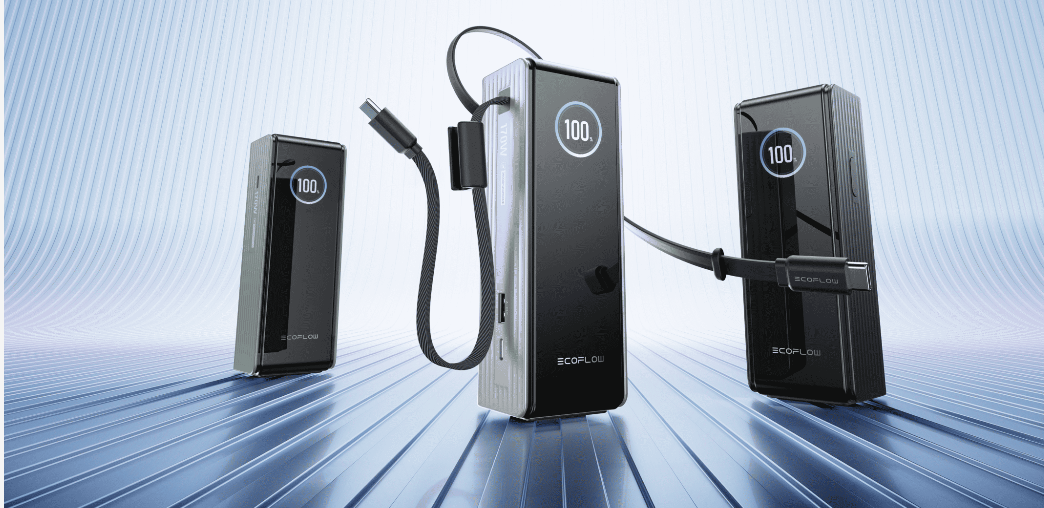
Modern charging stations can simultaneously power multiple high-draw devices without performance degradation.
Built for Canadian Conditions
Living in CA presents unique challenges for portable electronics. Temperatures swing from -30°C winters to humid 30°C summers. We travel vast distances where power access is uncertain. Our standards and regulations differ from both American and European markets.
The engineering response has been impressive. Advanced battery management systems now monitor cell temperature in real-time, adjusting output to maintain efficiency across environmental extremes. The casings use materials that resist thermal shock while maintaining the slim profiles we expect for everyday carry.
- Operating temperature range: -20°C to 60°C
- Airline-compliant 99.54Wh capacity for hassle-free travel
- Multi-device charging with intelligent power allocation
- Built-in protection against overcurrent, overvoltage, and short circuits
- Anti-slip magnetic grip that works through most phone cases
Professional-Grade Power for Demanding Users
300W output capability means you can charge a laptop, tablet, and phone simultaneously without compromise.
View Pro SeriesThree Models, Three Use Cases
The product ecosystem has evolved to address distinct user profiles rather than forcing everyone into a one-size-fits-all solution. Understanding which category you fall into can save both money and disappointment.

Magnetic Entry Model
Perfect for smartphone-centric users who want seamless daily convenience. The 25W Qi2.2 wireless charging handles the latest devices while the built-in cable eliminates the "did I pack a cord?" panic.
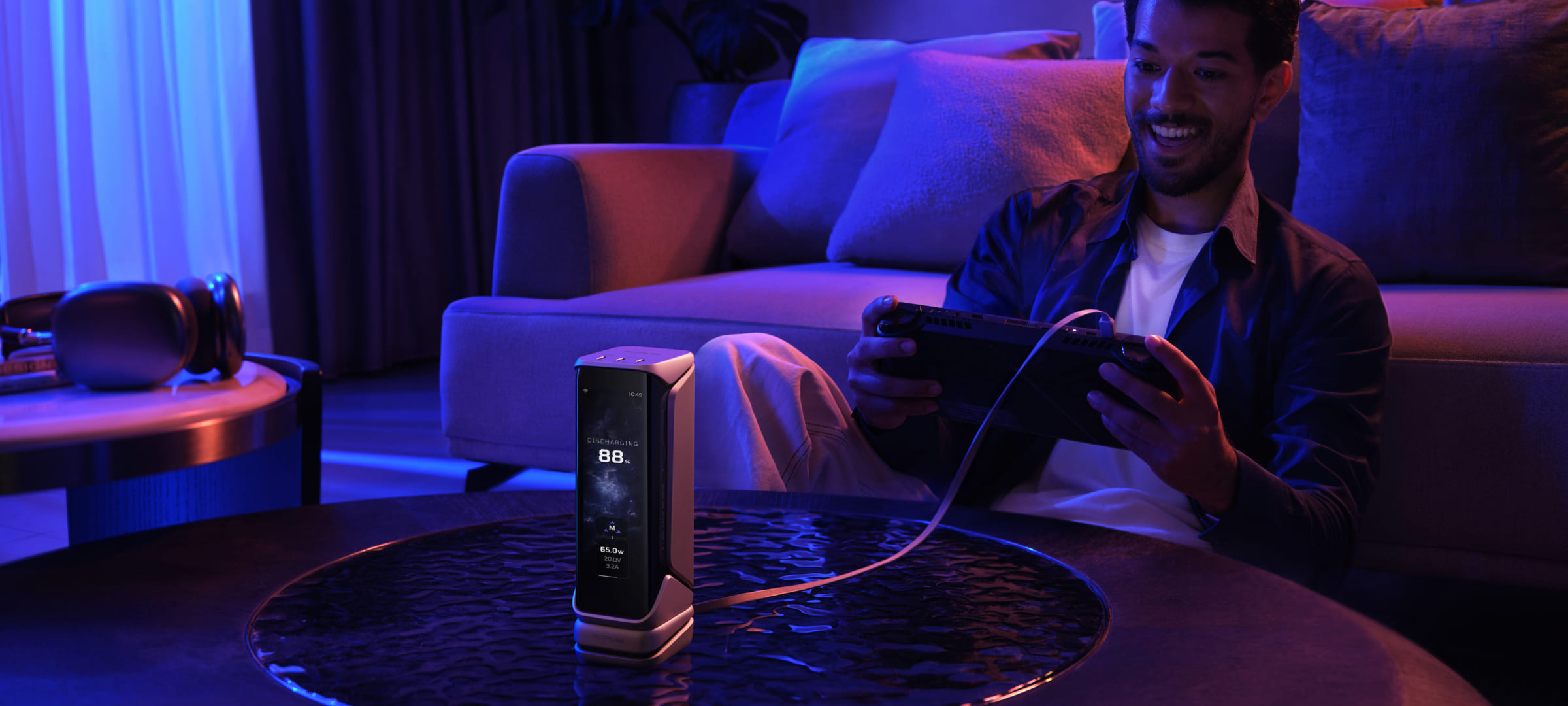
Balanced Performance
The middle ground that satisfies most users. Sufficient capacity for weekend trips, multiple output options for mixed device ecosystems, and a form factor that doesn't dominate your bag.

Pro Powerhouse
For the professionals who can't afford to run out of power. The 300W output handles workstation-class laptops, the 99.54Wh capacity crosses airline thresholds, and the build quality matches professional-grade equipment.
Real Users, Real Results
Marketing claims are one thing; sustained performance in unpredictable conditions is another. I reached out to Canadian users who've had these devices for extended periods to understand how they hold up beyond the review period.
"As a documentary photographer in the Yukon, reliable power isn't optional—it's survival. This has replaced three separate charging solutions in my kit. Through -15°C shoots, it's never failed me."
"I fly Toronto-Calgary weekly for consulting. The 99.54Wh capacity means no arguments at security, and I can work the entire flight without hunting for the single outlet in business class."
"Camping along the Cabot Trail used to mean either bringing a generator or rationing phone use. Now I can keep a GPS, satellite communicator, phone, and camera charged for a week without concern."
Comparing the Options
If you're deciding between models, here's how the key specifications break down for real-world Canadian usage:
| Feature | Magnetic | Standard | Pro |
|---|---|---|---|
| Capacity | 10,000mAh | 20,000mAh | 27,650mAh |
| Wireless Output | 25W Qi2.2 | 15W | 15W |
| Max Wired Output | 36W | 140W | 300W |
| Laptop Charging | Light use | Full day | Multiple cycles |
| Airline Friendly | Yes | Yes | Yes (99.54Wh) |
| Recharge Time | 45 min | 60 min | 20 min to 80% |
Price is not the primary differentiator. The entry magnetic model and the Pro model typically fall within $80 of each other. The decision should be based on your device ecosystem and usage patterns, not budget constraints.
Addressing Common Concerns
Cases up to 3mm thickness generally don't interfere with magnetic alignment or charging efficiency. Metal cases are the exception—they can block wireless charging entirely. The magnetic force is surprisingly strong; in testing, it maintained connection through drops and movement that would disconnect traditional wireless pads.
Battery chemistry slows in extreme cold, but modern management systems compensate by pre-warming cells during discharge. Below -10°C, expect 10-15% reduction in effective capacity. The Pro model includes thermal insulation that minimizes this impact compared to standard consumer power banks.
If you're charging a 16-inch MacBook Pro at full load, gaming laptop, or multiple devices simultaneously, yes. For smartphone and tablet users, the extra capacity provides headroom but isn't essential. Consider your peak power needs, not average usage.
Standard coverage runs 18-24 months depending on the specific model, with immediate replacement for manufacturing defects. Canadian customers have access to local support through the authorized distributor network, eliminating the cross-border shipping complications that plague many tech purchases.
Ready to Upgrade Your Power Game?
Free shipping across CA. 30-day satisfaction guarantee. Local Canadian support team.
Shop the Full CollectionThe Verdict
After extensive testing across multiple scenarios, the conclusion is straightforward: if you rely on portable devices for work or recreation in CA, a modern high-capacity power bank with magnetic charging capability has become essential equipment, not a luxury accessory.
The technology has matured past the early adopter phase. These aren't experimental gadgets—they're refined tools that solve real problems Canadian users face daily: unreliable access to power, multiple device ecosystems, extreme weather, and the need to stay connected across vast distances.
For most users, I recommend starting with the magnetic entry model to experience the convenience of cable-free charging. If your workflow involves laptops or extended time away from outlets, the Pro model's 300W output and rapid recharge capability justify the upgrade.
The era of outlet anxiety is ending. The question isn't whether you need better portable power—it's how much longer you'll tolerate the alternative.